
Topics for English Language Learners (ESL & EFL) – Civil Rights Movement for ESL Students
Table of Contents
Introduction
The Civil Rights Movement was a social and political movement in the United States that aimed to end racial discrimination against African Americans. Using nonviolent protests, speeches, and legal action, activists fought for equal rights, freedom, and justice, especially voting rights and equal treatment under the law.
This topic hub helps ESL and EFL students learn English through real historical events, while supporting teachers with ready-to-use classroom materials.
Civil Rights Movement for ESL Students
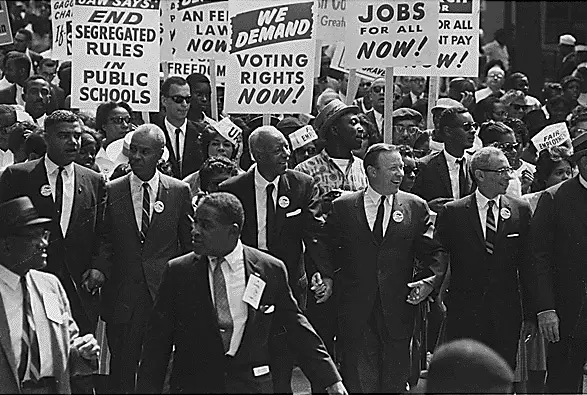
- Took place mainly in the 1950s and 1960s
- Focused on ending segregation and racial inequality
- Used peaceful protests, marches, and speeches
- Led by key figures such as Martin Luther King Jr., Rosa Parks, and Malcolm X
- Resulted in major laws like the Civil Rights Act (1964) and Voting Rights Act (1965)
→ More on the Civil Rights Movement.
Why Study the Civil Rights Movement in ESL Classes?
Studying this topic helps students:
- Build academic and social vocabulary
- Practice reading and listening comprehension
- Understand democracy, human rights, and citizenship
- Develop critical thinking and discussion skills
It is especially useful during Black History Month or lessons about democracy and equality.
The Civil Rights Movement in American History
The Civil Rights Movement is deeply connected to the history of the United States and the long struggle for equality and justice. To understand this movement better, ESL students need to see it within the wider context of American history—from the founding of the nation to the fight for civil rights in the 20th century.
The interactive timeline below highlights key moments in U.S. history and shows how the Civil Rights Movement developed over time. It helps learners visualize important events, understand cause-and-effect relationships, and build historical and cultural awareness while practicing English.
👉 Tip for teachers: Use the timeline as a pre-reading or pre-listening activity. Ask students to describe events, identify dates, or explain changes using past tenses and sequencing words (first, then, later, finally).
Key Figures & Texts
Teachers and learners can explore the Civil Rights Movement through these related pages:
- The Black History Month – cultural and historical context
- Biography of Malcolm X – activism and political thought
- Short Biography of Martin Luther King Jr. – nonviolence and leadership
- Rosa Parks – segregation and civil disobedience
- I Have a Dream Speech by Martin Luther King Jr. – iconic speech for listening and analysis
- Timeline of the Civil Rights Movement in the USA – chronological understanding
- Obama’s Nobel Peace Prize – modern legacy of civil rights
- Reading Comprehension About Democracy – civic education
- Democracy Vocabulary – essential terms for discussion and writing
Suggested ESL Classroom Activities
1️⃣ Reading & Listening
- Read a short biography of Martin Luther King Jr.
- Listen to excerpts from the “I Have a Dream” speech
- Match key events with dates using the timeline
2️⃣ Vocabulary Practice
Focus on words such as:
- segregation
- equality
- protest
- justice
- discrimination
- civil rights
- freedom
→ Use matching, gap-fill, or word-definition activities.
3️⃣ Speaking & Discussion
- Why were nonviolent protests important?
- Should protests always be peaceful?
- How are civil rights protected today?
4️⃣ Writing Tasks
- Write a short paragraph about Rosa Parks
- Summarize one key event from the Civil Rights Movement
- Write a short opinion: Why is equality important?
More content about the Civil Rights Movement:
- Library of Congress: The Civil Rights Movement: The Post-War United States
- Britanica: American Civil Rights Movement
Takeaways for ESL Learners
- The Civil Rights Movement changed American history
- Peaceful action can create powerful social change
- Learning history helps improve both language skills and cultural awareness