
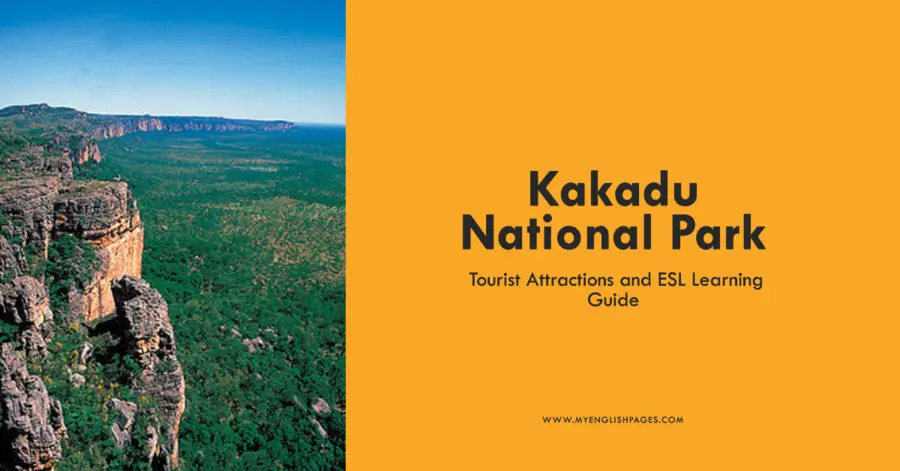
English-speaking Countries – Kakadu National Park: Tourist Attraction in Australia
Table of Contents
Explore the Beauty of Kakadu National Park
Kakadu National Park is one of Australia’s most famous and breathtaking tourist attractions. Located in the Northern Territory, this UNESCO World Heritage Site covers nearly 20,000 square kilometers and is home to incredible landscapes, Aboriginal cultural sites, and diverse wildlife.
In 2005, Kakadu welcomed over 202,000 visitors—a number that continues to grow as more travelers discover its natural beauty and cultural richness.
History of Kakadu National Park
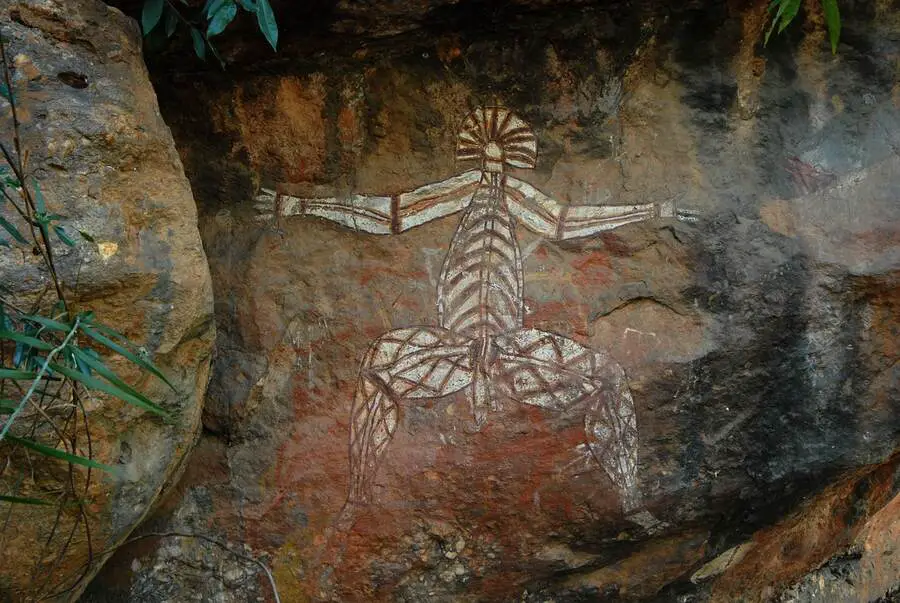
Kakadu has a rich and ancient history. Aboriginal people have lived in the region for over 60,000 years, making it one of the oldest living cultures on Earth. The name “Kakadu” comes from a mispronunciation of Gaagudju, a local Aboriginal language.
The park is home to over 5,000 Aboriginal rock art sites that show life, beliefs, and traditions across thousands of years.
European contact began in the 1600s with Dutch explorers. In the 1800s, buffalo hunters, missionaries, and settlers arrived, which greatly impacted local communities. Aboriginal people were often involved in buffalo hunting and other activities like crocodile tracking.
In the 1900s, parts of Kakadu were used for pastoralism (cattle farming), and later tourism developed with the creation of safari camps. Uranium mining began in the 1950s and continued for several decades. However, environmental and Aboriginal land rights movements helped protect much of the park from further development.
Today, Kakadu is co-managed by Aboriginal traditional owners and the Australian government, preserving its natural and cultural heritage for future generations.
Why Visit Kakadu National Park?
Visitors are drawn to Kakadu for its unique combination of nature, culture, and adventure. Here’s why it’s worth exploring:
- Stunning Landscapes – Vast wetlands, sandstone escarpments, and lush rainforests.
- Spectacular Waterfalls – Such as Maguk, Gunlom Falls, Twin Falls, and Jim Jim Falls, perfect for swimming and photography.
- Rich Wildlife – Including crocodiles, kangaroos, wallabies, and hundreds of bird species.
- Aboriginal Rock Art – Some dating back more than 20,000 years, offering insight into Australia’s oldest cultures.
- Adventure Activities – Bushwalking, birdwatching, boat cruises, and guided cultural tours.
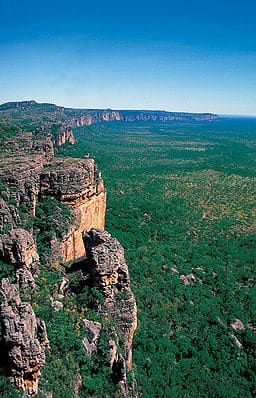
Kakadu’s unique natural environment and deep cultural roots make it a must-see destination in Australia.
More about the Kakadu National Park!
Key Vocabulary for ESL Learners: Kakadu National Park
| Word / Phrase | Meaning |
|---|---|
| Tourist attraction | A place that draws visitors for its beauty, culture, or fun |
| Dramatic landscape | Striking or impressive natural scenery |
| Aboriginal | Refers to the first people of Australia |
| Cultural significance | Importance due to history, beliefs, or traditions |
| Wildlife | Animals living in a natural environment |
| Waterfall | A place where water flows over the edge of a cliff or rock |
| Gorge | A deep, narrow valley with steep sides |
| Rock art | Ancient drawings or carvings made on rock surfaces |
| Explorers | People who travel to unfamiliar places to discover new things |
| Missionaries | People sent to spread religion, often to foreign lands |
| Pastoralism | Farming where animals like cattle are raised on large land areas |
| Safari camps | Camps set up for visitors to observe wildlife or natural areas |
| Uranium mining | The process of digging for uranium, a radioactive element used in energy |
| Co-managed | Managed together by two or more groups |
| Preserve | To protect something so it stays in good condition |
Quiz: Test Your Understanding
Choose the correct answer for each question:
- What makes Kakadu National Park popular with tourists?
- a) Shopping malls
- b) Wildlife, waterfalls, and Aboriginal culture
- c) Ski resorts
- What is the origin of the name “Kakadu”?
- a) A made-up English word
- b) From a Dutch explorer
- c) A mispronunciation of an Aboriginal language
- Which of the following is not a waterfall in Kakadu?
- a) Gunlom Falls
- b) Maguk
- c) Niagara Falls
- What are rock art sites?
- a) Modern graffiti
- b) Ancient drawings and paintings on rocks
- c) Sculptures made of rock
- Who manages Kakadu National Park today?
- a) A private company
- b) The Australian military
- c) Aboriginal traditional owners and the government
- What was one of the past economic activities in the region?
- a) Ice skating
- b) Uranium mining
- c) Coffee farming
- What does the word preserve mean in the context of the park?
- a) To sell to tourists
- b) To protect and maintain
- c) To paint it regularly
2. c) A mispronunciation of an Aboriginal language
3. c) Niagara Falls
4. b) Ancient drawings and paintings on rocks
5. c) Aboriginal traditional owners and the government
6. b) Uranium mining
7. b) To protect and maintain