
Table of Contents
Introduction
Black History Month is an important annual event celebrated in the United States and Canada every February (and in the United Kingdom every October).
It is a time to honor the history, struggles, and achievements of African Americans and to reflect on the ongoing fight for equality and justice. For ESL students, Black History Month is also a chance to expand vocabulary, improve reading and listening skills, and learn more about culture and history in English.
Black History Month for ESL Students
1. Black History Month in a Nutshell
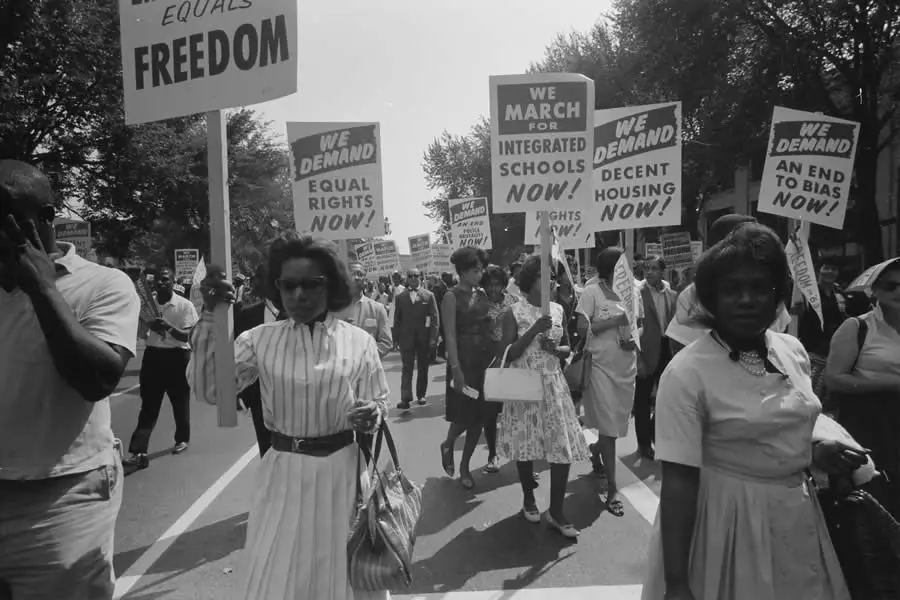
- When? Every February in the U.S. and Canada, every October in the U.K.
- Why? To celebrate the contributions of African Americans and raise awareness of their history.
- How? Through school projects, public events, cultural activities, documentaries, and lessons.
2. Key Figures to Learn About
- Martin Luther King Jr. – Civil rights leader, famous for his “I Have a Dream” speech.
- Rosa Parks – Sparked the Montgomery Bus Boycott by refusing to give up her seat.
- Malcolm X – Influential activist and speaker during the Civil Rights Movement.
- Harriet Tubman – Known for helping enslaved people escape through the Underground Railroad.
Black History Month ESL Activities
Here are some practical ideas to bring Black History Month into your ESL classroom:
Classroom Activities for ESL Students
- Listening Activity
– Play Martin Luther King Jr.’s “I Have a Dream” speech and have students complete a gap-fill exercise. - Reading Activity
– Provide a short biography of Rosa Parks or Harriet Tubman. Students underline new vocabulary and discuss the story in pairs. - Discussion Prompts
– “Why is equality important in society?”
– “Which leader inspires you the most and why?” - Vocabulary Building
– Teach words such as justice, equality, rights, protest, freedom, and ask students to use them in sentences. - Project Work
– Groups prepare posters or short presentations on famous figures or events related to Black History Month.
→ More Activities about the Black History Month
Takeaways
- Black History Month is not only about history—it’s about learning lessons that still matter today.
- It provides rich material for ESL lessons: listening, reading, discussion, and vocabulary activities.
- Exploring Black History Month helps students connect language learning with cultural awareness.
Related Pages
- Black History Month – More details about the celebration.
- Martin Luther King Jr. – His life and speeches.
- Martin Luther King, Jr. – Famous quotes.
- I Have a Dream Speech – Text and classroom activities.
- I Have a Dream Speech – A writing activity.
- Rosa Parks – Her role in the Civil Rights Movement.
- Malcolm X – Biography and influence.
- Malcolm X – Famous quotes.
- Civil Rights Movement – Historical background.
- Civil Rights Movement Timeline – Key dates and events.
- More Holidays and Celebrations – Other celebrations.
FAQs About Black History Month
What is Black History Month and why?
Black History Month is a yearly observance to recognize and celebrate the achievements and contributions of African Americans. It also highlights the struggles they faced throughout history.
Who started Black History Month?
Black History Month began as “Negro History Week” in 1926, created by historian Carter G. Woodson. It later expanded to a full month in 1976.
Why is Black History Month in February?
February was chosen because it coincides with the birthdays of Abraham Lincoln and Frederick Douglass, both key figures in the fight against slavery.
How do schools celebrate Black History Month?
Schools often include special lessons, reading assignments, classroom discussions, and projects about African American leaders, artists, and historical events.
What are some important figures remembered during Black History Month?
Famous figures include Martin Luther King Jr., Rosa Parks, Malcolm X, Harriet Tubman, and Barack Obama, among many others.