
EFL and ESL Materials and Topics
Topics for English Language Learners: Christopher Marlowe
Table of Contents
Christopher Marlowe for ESL Students
Christopher Marlowe is a significant figure in English literature and a pivotal playwright of the Elizabethan era. This ESL/EFL topic hub introduces Marlowe’s life, major works, and influence on drama, while providing teachers and learners with resources, activities, and language-focused materials connected to his plays.
This topic is designed to help ESL students explore literature through simplified explanations, key vocabulary, and classroom activities, while also providing teachers with ready-to-use teaching resources.
Christopher Marlowe: A Short Biography (for ESL Students)
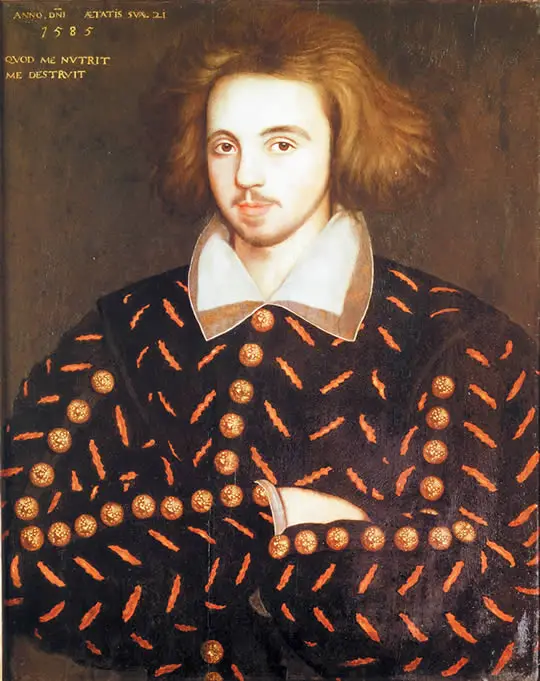
Christopher Marlowe (1564–1593) was an English playwright, poet, and translator born in Canterbury, England. He studied at Cambridge University and became one of the leading dramatists of the Elizabethan era.
Marlowe died young at the age of 29, but during his short life he transformed English drama by using blank verse and powerful language. His most famous play, The Tragical History of Doctor Faustus, explores ambition, power, and the human desire for knowledge.
→ Check this link: Christopher Marlowe Biography
Why Christopher Marlowe Matters in English Literature
Christopher Marlowe is often studied alongside William Shakespeare because:
- He helped modernize English drama
- He influenced Shakespeare’s style and themes
- His characters are complex, ambitious, and morally conflicted
- His plays are rich in themes, dialogue, and symbolism, making them ideal for ESL literature lessons
Famous Works by Christopher Marlowe
Marlowe’s most studied works include:
- Doctor Faustus – A scholar sells his soul to the devil for knowledge and power
- Tamburlaine the Great – A story of ambition and conquest
- Edward II – A historical play about power and betrayal
- The Jew of Malta – A controversial play exploring greed and revenge
→ Check this link: Doctor Faustus by Christopher Marlowe
Christopher Marlowe and Shakespeare (Quick Comparison)
Marlowe and Shakespeare were contemporaries, but their styles differ:
- Marlowe’s language is bold, dramatic, and philosophical
- Shakespeare developed deeper character psychology and longer narratives
- Both used blank verse and explored universal human themes
→ Internal links:
- William Shakespeare Biography
- Macbeth by William Shakespeare
- Romeo and Juliet by William Shakespeare
Classroom Activities: Christopher Marlowe for ESL Students
Teachers can use Marlowe’s life and works to practice reading, speaking, and critical thinking:
1. Reading & Comprehension
- Read a simplified summary of Doctor Faustus
- Answer questions about ambition, choices, and consequences
2. Vocabulary Focus
Key words:
ambition – temptation – power – knowledge – destiny – tragedy
Students match words with definitions or use them in sentences.
3. Discussion Questions
- Is knowledge always a good thing?
- Would you make a deal like Faustus? Why or why not?
- Can ambition be dangerous?
4. Role Play
- Short dialogue between Faustus and Mephistopheles
- Students practice expressing persuasion and doubt
Key Vocabulary for ESL Learners
- Playwright – A person who writes plays
- Tragedy – A serious story with a sad ending
- Ambition – A strong desire for success or power
- Blank verse – Poetry without rhyme but with rhythm
- Temptation – The desire to do something risky or wrong
Related Pages (Internal Links Hub)
Explore more related ESL resources:
- Christopher Marlowe Biography – A detailed and student-friendly life story
- Doctor Faustus by Christopher Marlowe – Summary, themes, and activities
- William Shakespeare Biography – Marlowe’s contemporary
- Macbeth by William Shakespeare – Tragedy and ambition
- Romeo and Juliet by William Shakespeare – Love and conflict
- Literary Resources – ESL-friendly literature tools and materials
External Resource (Suggested)
🔗 Historic UK– Christopher Marlowe
Background information and historical context
Takeaway for ESL Learners
Christopher Marlowe’s works help English learners:
- Understand classic literature through universal themes
- Build academic and literary vocabulary
- Practice discussion, debate, and interpretation skills
This topic hub serves as a central resource for learning English through literature, linking biography, drama, language, and classroom practice.