

Anorexia for Students: Information and Activities for ESL Students
Table of Contents
Anorexia is an eating disorder that affects many people around the world. It is characterized by very low body weight, extreme fear of gaining weight, and unhealthy habits to stay thin. People with anorexia often do not see themselves accurately and may be in denial about their body weight.
This topic is useful for ESL and EFL learners, as it helps expand health-related vocabulary, improve reading comprehension, and practice discussions about lifestyle, nutrition, and well-being.
→ Learn more about anorexia
Key Facts About Anorexia
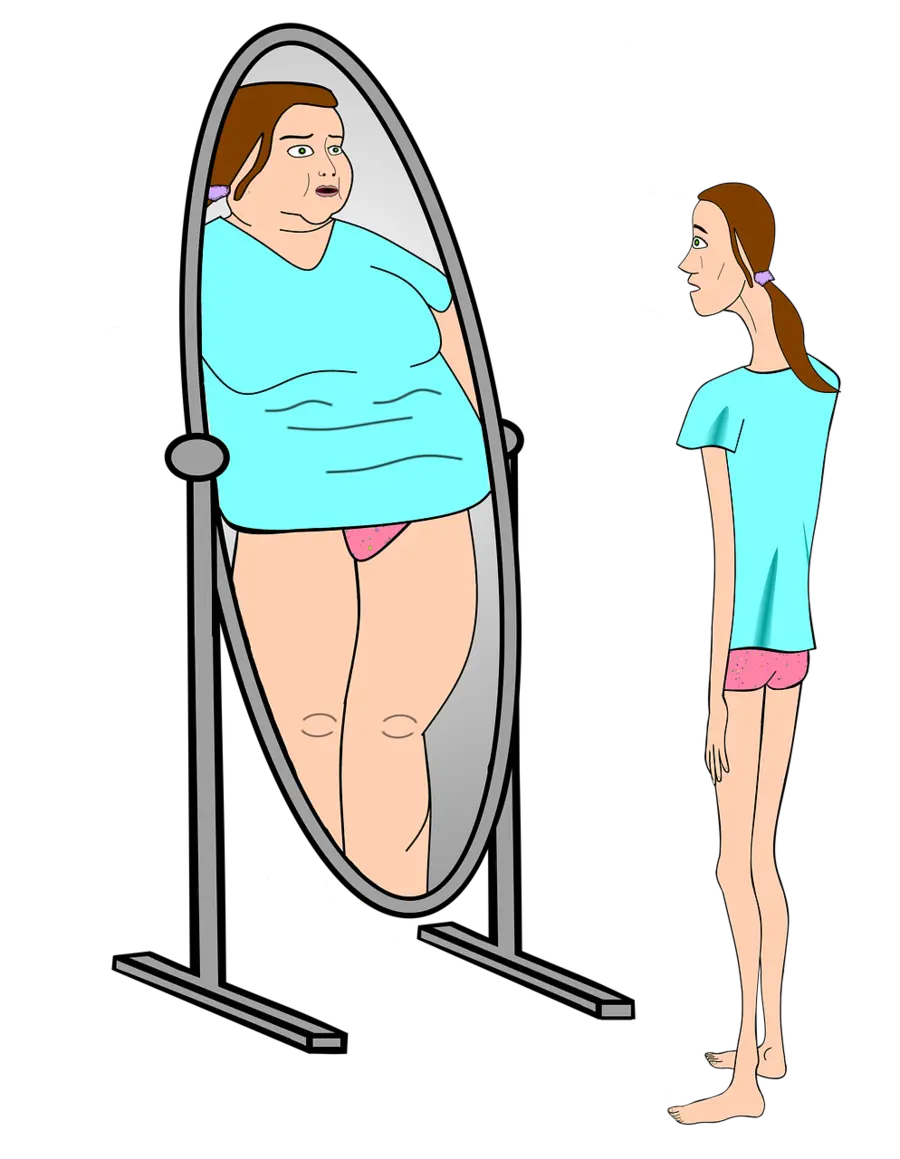
- Anorexia involves self-deprivation of food and extreme concern with body image.
- People with anorexia may have distorted perceptions of their body.
- It can lead to serious health problems, including malnutrition, heart issues, and weakened bones.
- Early awareness and treatment are important for recovery.
ESL Vocabulary Related to Anorexia

1. Eating disorder
- Definition: A mental health condition that involves unhealthy eating habits, such as eating too little or too much.
- Example: Anorexia and bulimia are common types of eating disorders.
2. Body image
- Definition: How a person sees and feels about their own body.
- Example: Poor body image can affect a person’s self-confidence.
3. Self-denial
- Definition: Refusing to allow yourself to have something you want, often for personal or health reasons.
- Example: People with anorexia practice self-denial by avoiding food even when hungry.
4. Nutrition
- Definition: The study or process of getting the right food and nutrients for good health.
- Example: Eating fruits and vegetables is important for proper nutrition.
5. Recovery
- Definition: The process of becoming healthy again after illness or a disorder.
- Example: With therapy and support, people with anorexia can make a full recovery.
6. Obesity
- Definition: A medical condition in which a person has too much body fat, affecting their health.
- Example: Regular exercise and healthy eating can help prevent obesity.
7. Healthy lifestyle
- Definition: A way of living that includes good habits, such as proper diet, exercise, and sleep, to maintain physical and mental health.
- Example: Eating balanced meals and exercising regularly is part of a healthy lifestyle.
8. Exercise
- Definition: Physical activity that helps improve fitness, strength, and overall health.
- Example: Walking, swimming, and yoga are all forms of exercise.
Classroom / Self-Study Activities
- Vocabulary Matching
Match words like nutrition, anorexia, obesity, recovery with definitions or images. - Reading Comprehension
Read a short text about anorexia and answer questions about causes, symptoms, and treatments. - Discussion Questions
- Why is a balanced diet important?
- How can society help people with eating disorders?
- What habits support good health?
- Role-Play / Dialogue
Students practice a conversation where one gives advice on healthy eating habits and the other asks questions. - Health Poster / Project
Create a poster showing tips for maintaining a healthy lifestyle. Include vocabulary words learned in class.
Related Pages on This Website
- Anorexia
- Obesity
- Factors of Good Health
- Health Tips
- Health Vocabulary
- Idioms About Health
- Jokes about Doctors
External Resources
- National Eating Disorders Association
- Eating Disorders – National Institute of Mental Health (NIMH)
- Overview – Anorexia Nervosa
Quick Facts for ESL Learners
- Anorexia can affect anyone, not just teenagers or women.
- Healthy recovery often involves therapy, support, and nutrition guidance.
- Talking about health and habits is a useful way to practice English speaking and writing skills.
📌 For more practice, explore other EFL and ESL Materials.