
Table of Contents
Ancient Egypt is one of the most fascinating civilizations in history. For ESL students, it offers a great opportunity to learn English while exploring the culture, history, and important achievements of the past. This topic combines language learning with cultural awareness, making lessons more engaging and memorable.
Ancient Egypt for ESL Students
1. How Can Ancient Egypt be a Good Topic for ESL students?
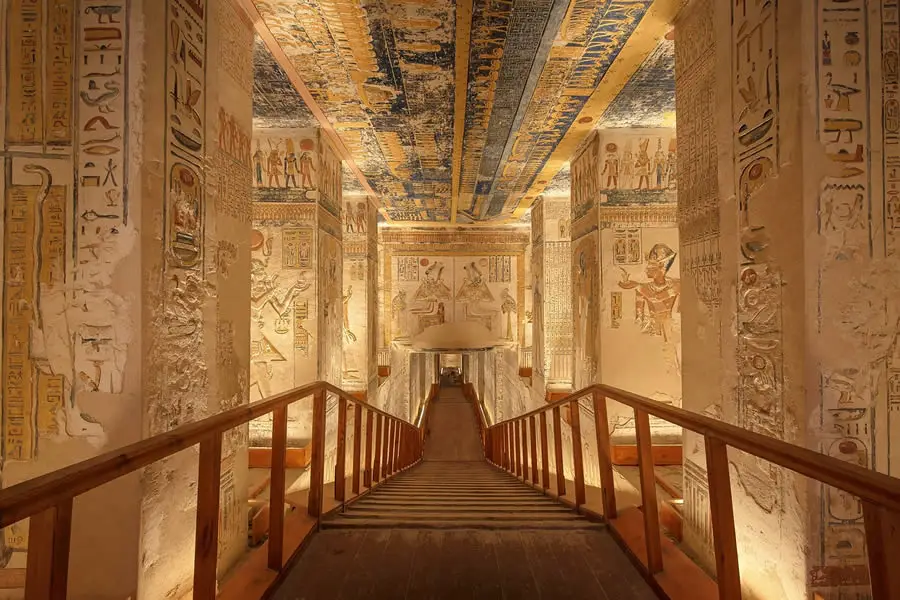
Teaching English using the history and culture of ancient Egypt as a theme can be a fascinating topic for ESL students. It is a good opportunity to learn new vocabulary, practice reading comprehension, and discuss topics like pyramids, pharaohs, and the Nile River.
2. How can teachers raise interest in Ancient Egypt for ESL students?
Teachers can use pictures, short videos, and storytelling. A fun classroom activity is a “Pharaoh Role-Play”, where students act out life in ancient Egypt using simple English phrases.
3. What are some classroom activities about Ancient Egypt for ESL students?

- Vocabulary matching – Provide key words like pyramid, mummy, Nile, temple, pharaoh and ask students to match them with pictures or simple definitions. This builds subject knowledge and English vocabulary at the same time.
- Timeline activity – Give students cards with important events (e.g., building of the pyramids, reign of Tutankhamun, discovery of the Rosetta Stone) and let them arrange the events in chronological order. This helps practice sequencing language like first, then, after that.
- Story completion – Hand out a short unfinished story about a pharaoh or daily life in Ancient Egypt. Students work in pairs or groups to write or tell the ending. This encourages creativity and the use of past tense verbs.
- Discussion questions – Ask thought-provoking questions like Would you like to live in Ancient Egypt? Why or why not? or What do you think daily life was like for children? This promotes speaking fluency and critical thinking.
- Role-play activity – Students take on roles such as pharaoh, farmer, scribe, or merchant and act out a short scene (e.g., planning a pyramid construction or trading along the Nile). This develops speaking confidence and cultural awareness.
- Ancient Egypt quiz game – Create a simple quiz with questions about Egyptian gods, landmarks, or traditions. Students can work in teams, turning it into a fun, competitive review activity.
4. Why is Ancient Egypt a good topic for ESL students?
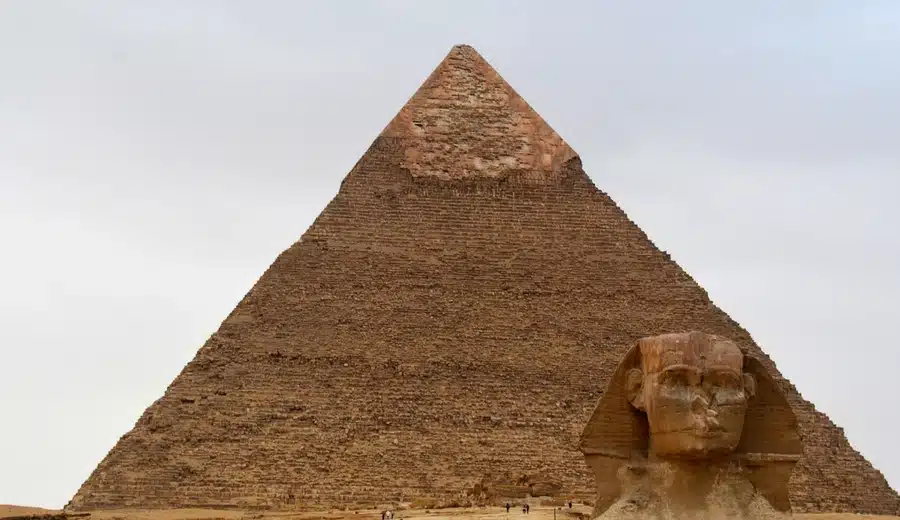
Because it is rich in visuals and stories. Students can easily connect with monuments like the pyramids or famous figures like Cleopatra. It also provides opportunities to practice descriptive language.
5. How do you make learning about Ancient Egypt fun for ESL students?
Games and projects work well. For example, creating a “mini museum” in class with pictures and objects related to ancient Egypt encourages speaking and teamwork.
The Nile River and Its Importance to Ancient Egypt

The Nile River was the lifeline of Ancient Egypt. Without it, civilization would not have developed in the desert. Each year, the river flooded and left behind rich, fertile soil. This made it possible for Egyptians to grow crops such as wheat, barley, and flax.
The Nile was also important for:
- Transportation – boats carried people and goods up and down the river, helping trade and communication.
- Food – Egyptians caught fish and used water from the Nile for their animals.
- Building materials – mud from the riverbanks was used to make bricks for houses.
- Daily life and religion – the Nile was seen as a gift from the gods, and many festivals and beliefs were connected to it.
Because of the Nile, Egypt became one of the world’s first great civilizations. That’s why it is often called the “Gift of the Nile.”
More Pages About Ancient Egypt
External Links
- British Council’s Ancient Egypt for Kids
- Ancient Egypt Facts and History by National Geography
- Ancient Egypt on Wikipedia
📌 For more practice, explore other EFL and ESL Materials.