
EFL and ESL Materials and Topics
Table of Contents
Topics for English Language Learners – Climate Change
Climate change refers to long-term changes in temperatures and weather patterns across the world. In recent decades, scientists have found strong evidence of global warming, mainly caused by human activities such as burning fossil fuels, deforestation, and industrial pollution. These activities increase greenhouse gas emissions, which trap heat in the atmosphere and lead to serious environmental problems.
For ESL and EFL students, climate change is an important global topic that combines language learning, science, and real-world issues. It offers rich opportunities to practice reading, listening, vocabulary, and discussion skills while developing environmental awareness.
Why Learn About Climate Change in ESL Classes?
Climate change is a meaningful topic that encourages critical thinking, global citizenship, and meaningful communication. It helps students learn English while engaging with one of the most important challenges of our time.
Climate Change for ESL Learners
1. Climate Change for ESL Learners in Simple Terms
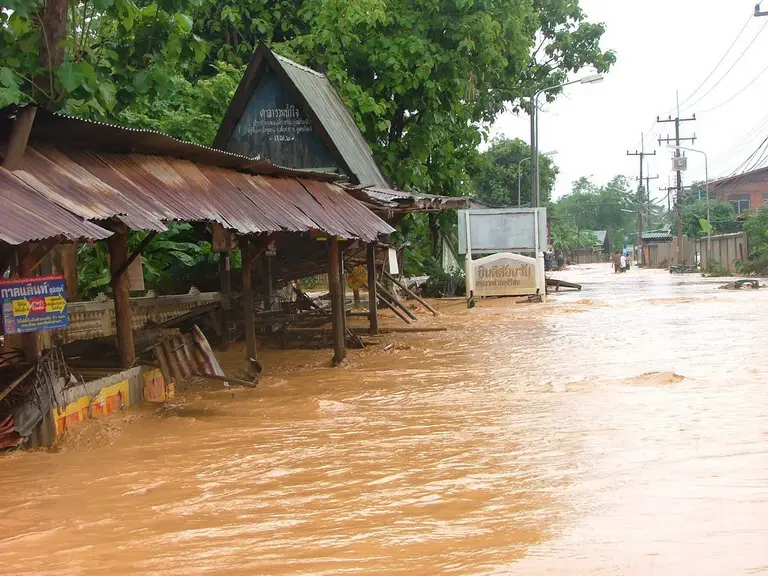
In simple terms, climate change refers to the gradual increase in the Earth’s temperature over time. This warming causes extreme weather events such as floods, droughts, heatwaves, melting ice, and rising sea levels. These changes affect people, animals, food supplies, and ecosystems all around the world.
→ Reading comprehension about climate change
2. Main Climate Change Vocabulary
Understanding key climate vocabulary enables learners to discuss environmental issues clearly and confidently.
- Climate change – long-term changes in the Earth’s climate
Climate change affects weather patterns worldwide. - Global warming – the gradual increase in the Earth’s temperature
Global warming is caused mainly by human activity. - Greenhouse gases – gases that trap heat in the atmosphere (e.g. CO₂)
Cars and factories produce greenhouse gases. - Carbon dioxide (CO₂) – a major gas contributing to global warming
Too much carbon dioxide harms the environment. - Fossil fuels – coal, oil, and gas used for energy
Burning fossil fuels increases pollution. - Renewable energy – energy from natural sources like wind and sun
Renewable energy is cleaner and more sustainable. - Pollution – harmful substances released into the environment
Air pollution causes serious health problems. - Deforestation – cutting down large areas of forest
Deforestation reduces the number of trees that absorb CO₂. - Natural disaster – extreme natural events (floods, droughts, storms)
Climate change increases natural disasters. - Sustainability – using resources responsibly for the future
Sustainability helps protect the planet.
💡 Teaching Tip (ESL)
Ask students to match words with causes or solutions, or use them in sentences with should / must / can (e.g. We should reduce pollution).
3. Key Themes ESL Students Can Explore
- Global warming and greenhouse gases
- Pollution and human impact on the environment
- Natural disasters (floods, storms, droughts)
- Protecting the environment and sustainable living
- Individual and collective responsibility
→ More topics for ESL students
4. Sustainable Development (ESL-Friendly Overview)
Sustainable development means meeting the needs of people today without harming the ability of future generations to meet their own needs. It focuses on finding a balance between economic growth, environmental protection, and social well-being.
In simple terms, sustainable development encourages using natural resources responsibly, reducing pollution, and protecting the planet while improving people’s quality of life. Key ideas include renewable energy, recycling, saving water, and responsible consumption.
For ESL and EFL students, this topic is useful for learning environmental vocabulary, practicing cause-and-effect language, and discussing real-world global issues.
→ Read more about sustainable development
5. Classroom Ideas for ESL Teachers
- Discussion: How does climate change affect your country?
- Vocabulary practice: Match environmental problems with solutions.
- Reading task: Identify causes and effects in a short climate text.
- Speaking activity: Students suggest ways to protect the environment using should / must / can.
- Writing task: A short paragraph on “How I can help fight climate change.”
Related Pages and Resources
Explore more ESL-friendly materials connected to climate change:
- 7 Ways to Protect the Environment
– Practical actions students can discuss and apply in real life. - Pollution and Its Effect on the Environment
– A clear explanation of different types of pollution and their consequences. - Environment Vocabulary
– Essential words and expressions related to climate and nature. - Vocabulary Exercises: Environment
– Interactive practice to reinforce key terms.