

Table of Contents
Introduction
As classrooms become more linguistically diverse, educators are increasingly seeking resources that provide a solid foundation for teaching English Language Learners (ELLs). Foundations for Teaching English Language Learners: Research, Theory, Policy, and Practice by Wayne E. Wright is an essential resource for teachers, administrators, and policymakers who want to understand the multifaceted world of ELL education.
This comprehensive guide synthesizes research, theory, policy, and practical strategies, making it an indispensable tool for building effective ELL programs.
Foundations for Teaching English Language Learners: Research, Theory, Policy, and Practice
Overview of the Book
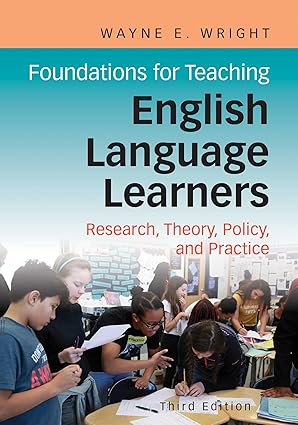
Wayne E. Wright’s book offers an in-depth exploration of the key components of ELL education. It connects educational theory to classroom practice, providing readers with a clear understanding of how research and policy inform teaching strategies. The book is divided into four key areas:
- Research: Foundational studies and data that underpin effective ELL instruction.
- Theory: Essential language acquisition theories and their classroom implications.
- Policy: Examination of federal, state, and local policies impacting ELLs.
- Practice: Practical strategies for instruction, assessment, and family engagement.
Wright emphasizes that teaching ELLs requires a holistic approach, addressing both linguistic and cultural aspects of student learning.
Key Highlights
- Comprehensive Coverage of ELL Education
- The book provides a balanced mix of research, theory, policy, and practical applications. It guides readers through the historical context of ELL education, contemporary challenges, and best practices for creating inclusive classrooms.
- Language Acquisition Theories
- Wright delves into key theories such as Krashen’s Input Hypothesis, Cummins’ BICS and CALP framework, and sociocultural theories of learning. Each theory is accompanied by clear examples of how it can be applied in the classroom.
- Policy Insights
- A unique feature of this book is its thorough examination of educational policies affecting ELLs. Wright discusses the implications of landmark legislation, including the Lau v. Nichols case, No Child Left Behind, and the Every Student Succeeds Act (ESSA).
- Practical Strategies
- The book offers actionable strategies for differentiating instruction, assessing ELL progress, and engaging families. It also addresses how to advocate for ELL students within school systems.
- Reflection and Discussion Questions
- Each chapter concludes with thought-provoking questions and activities, making the book ideal for professional development or teacher training programs.
Pros and Cons
Pros
- Comprehensive and Balanced: Integrates research, theory, policy, and practice seamlessly.
- Accessible Writing Style: Suitable for both experienced educators and those new to teaching ELLs.
- Policy Focus: Provides valuable insights for educators navigating legal and policy frameworks.
- Practical Applications: Offers a wealth of strategies that can be implemented immediately.
Cons
- Dense Content: The extensive coverage of policy and research may feel overwhelming to some readers.
- Limited Focus on Technology: While the book covers many strategies, it doesn’t emphasize the role of educational technology in ELL instruction.
Who Should Read This Book?
This book is perfect for:
- Educators: Teachers seeking to deepen their understanding of ELL instruction.
- School Leaders: Administrators looking to develop or improve ELL programs.
- Policy Makers: Those involved in shaping educational policies that impact linguistically diverse students.
- Education Students: Pre-service teachers and graduate students studying ELL education.
Why You Should Read It
Foundations for Teaching English Language Learners stands out as a comprehensive resource that equips educators with the knowledge and tools to support ELLs effectively. Its integration of research, theory, and practical strategies ensures that readers not only understand the complexities of ELL education but are also empowered to make a positive impact in their classrooms and schools.
Get Your Copy
Ready to expand your knowledge and enhance your teaching practice? Order Foundations for Teaching English Language Learners on Amazon and take the first step toward creating an equitable learning environment for all students.
This book is a cornerstone for any educator’s professional library. If you’d like to revise any part of the review or highlight additional features, let me know!
Note: This post contains affiliate links, which means we may earn a commission if you make a purchase through them, at no additional cost to you.