
Table of Contents
Introduction
As technology rapidly advances, the future of education is becoming increasingly intertwined with digital tools and innovative methodologies. Imagine a K-12 student today asking questions about the future of education and learning. Their questions challenge traditional teaching methods and explore how students can be prepared for a constantly evolving world.
Let’s dive into these questions and envision the future of education from the perspective of a student.
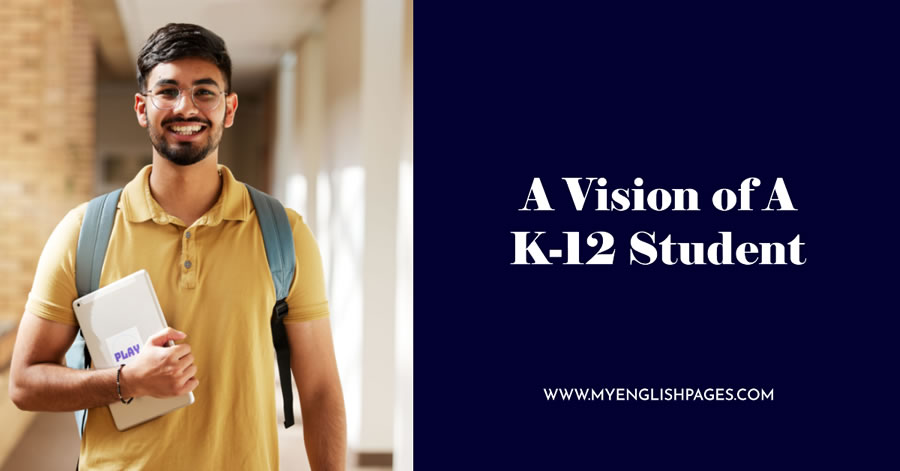
A Vision of A K-12 Student
The questions answered below are from a vision of A K-12 student:
1. How Technology Will Be More and More a Part of 21st-Century Children
- Technological Integration: Digital tools are not just an addition—they are the core of learning.
- Virtual classrooms, online platforms, and AI will be integral to education.
- Personalized Learning: Adaptive learning platforms will allow students to progress at their own pace.
- Immersive Experiences: VR and AR will make education interactive, bringing subjects like history, science, and art to life.
- Student’s Question: “Why do we still use outdated methods when everything around us is changing so fast?”
2. What Sort of Education Will They Need?
- Skills for the Future: Students will need more than just basic knowledge.
- Critical thinking, creativity, and problem-solving skills will be essential.
- Education must focus on fostering adaptability, resilience, and lifelong learning.
- Curriculum Evolution:
- Focus on Learning How to Learn: Students need to be taught to think independently and creatively.
- Key Skills: Digital literacy, global awareness, and ethical decision-making.
3. What Should Be Done to Teach Them to Think, Analyze, and Apply?
- Move Away from Memorization: Traditional methods of memorizing facts are no longer enough.
- Encourage students to ask questions, explore ideas, and engage in critical thinking.
- Hands-On Learning:
- Project-Based Learning: Students should apply knowledge to real-world scenarios.
- Collaborative Activities: Group projects and problem-solving tasks will strengthen critical and creative thinking.
- Student’s Question: “How can we learn to apply our knowledge if we are never given the chance to explore or experiment?”
4. How Should Future Students Be Engaged?
- Engagement Challenges: With distractions like social media and gaming, traditional education must evolve to keep students interested.
- Personalized and Dynamic Learning:
- Move from one-size-fits-all teaching to personalized learning experiences.
- Gamification: Incorporating game-like elements to motivate and engage students.
- Interactive Lessons: Make learning more hands-on, using tools like interactive lessons and student-driven projects.
- Student’s Question: “Why do we spend so much time in class doing repetitive tasks when learning could be more exciting?”
5. How Will Different Tools of Technology Assist Their Learning?
- AI and Personalized Feedback:
- AI will offer tailored learning experiences, providing personalized feedback and adjusting challenges to each student’s needs.
- Global Connectivity:
- Digital tools will allow students to collaborate with peers worldwide, opening doors to international perspectives.
- Resource Accessibility:
- Tools like virtual tutors, interactive simulations, and digital textbooks will supplement traditional learning, offering accessible, on-demand resources.
6. What Sort of Jobs Will They Need to Be Prepared For?
- Evolving Job Market: Many jobs in the future don’t even exist yet.
- Fields to Watch: Data science, renewable energy, biotechnology, and AI.
- Essential Skills: Creativity, critical thinking, and emotional intelligence will be just as important as technical expertise.
- Automation Impact: As automation takes over repetitive tasks, human workers will need to focus on jobs that require complex problem-solving and interpersonal skills.
- Future careers will be in technology, healthcare, education, and sustainability.
7. Why Do Most Teachers Not Follow the Trend?
- Challenges for Educators:
- Lack of resources, training, or understanding of how technology can be integrated into the classroom effectively.
- Resistance to change, either due to comfort with familiar methods or skepticism about new approaches.
- Need for Teacher Training:
- Teacher training programs must focus on developing digital literacy and familiarity with modern teaching tools.
- Schools must provide the necessary resources and support for educators to stay current with technological advancements.
Conclusion
The future of education, from the perspective of a K-12 student, is one that combines technology with critical thinking, creativity, and real-world application. The classroom will become a space where students are engaged, challenged, and encouraged to apply their knowledge in practical ways. As technology continues to reshape the world, the way we educate must evolve to meet the demands of the 21st century.
Addressing these key questions can help educators, parents, and policymakers work together to create an educational system that prepares students for the unknown challenges and opportunities of tomorrow.
Related Pages
- 21st-century Education Classrooms
- The Art Of Teaching: 7 Qualities Of A Good Teacher
- Teach With Love And Logic: Breaking The Ice In The Classroom
The time to embrace change is now, and the future of education will depend on our